Why Is My Well Pump Pressure Low? Common Causes and Fixes (2026)
Low water pressure from a well system does not always mean you need a larger pump.
The real cause may be a clogged filter, leaking suction pipe, failing Foot Valve, worn impeller, incorrect pressure setting, falling well-water level, or a pump that cannot meet the system’s actual demand.
This guide explains how to identify the likely cause before adjusting the pressure switch or replacing a working water pump.
Quick Answer
Only one faucet or shower has low pressure:
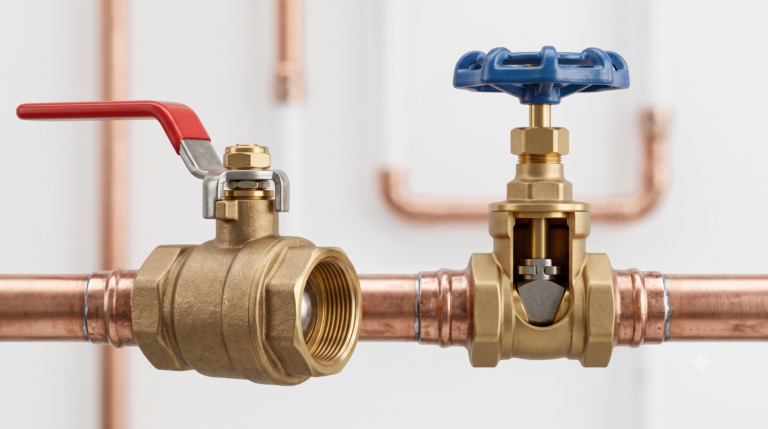
Check the Aerator, Shower Head, local valve, or nearby pipe first.
The whole house has low pressure:
Compare static and dynamic pressure, then check whether the pump reaches its normal cut-out pressure.
The pump runs for a long time and the water contains air:
Inspect the Foot Valve, suction pipe, pump prime, and well-water level.
The pump reaches cut-out but pressure drops during use:
Check the filter, pipe restriction, leaks, available flow, and simultaneous water demand.
Why You Can Trust ToollQ
This guide is based on 15 years of practical experience with plumbing hardware, valves, pipe fittings, Jet Pumps, pressure tanks, and residential water-supply systems.
ToollQ Field Insight
Before recommending a larger pump, determine whether the pressure problem affects one fixture or the whole house. Many customers replace a water pump when the real cause is a blocked filter, leaking suction pipe, or damaged Foot Valve.
Start With These Three Checks
1. One Fixture or the Whole House?
If only one faucet or shower has low pressure, the well pump may be working normally.
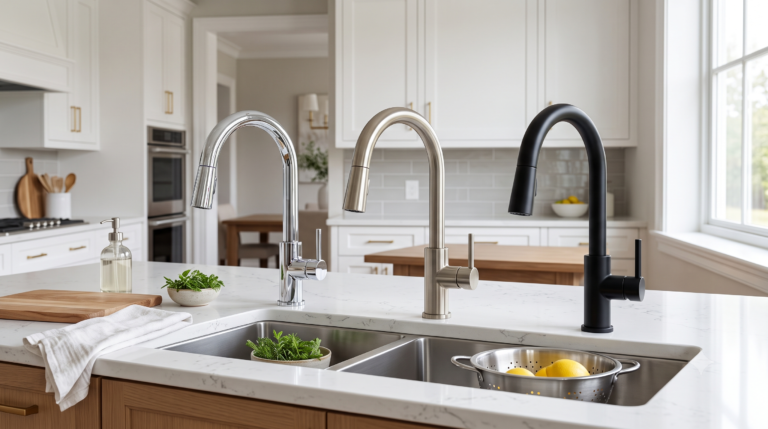
Check the faucet Aerator, Shower Head, local shut-off valve, flexible hose, and nearby pipe before inspecting the complete pump system.
If every fixture is affected, continue with pressure testing.
2. Check Static Pressure
Static pressure is the system pressure when no water is flowing.
In a pressure-switch system, the gauge normally rises until it reaches the cut-out setting and the pump stops. Common examples are 30/50 PSI and 40/60 PSI, but the correct setting depends on the pump and system.
3. Check Dynamic Pressure
Dynamic pressure is measured while water is flowing.
If static pressure appears normal but pressure drops sharply when a faucet opens, the system may have a flow restriction, clogged filter, insufficient well supply, worn pump, undersized pipe, or excessive simultaneous demand.
After confirming whole-house low pressure, check:
- Can the pressure gauge reach the normal cut-out setting?
- Does the pump run much longer than normal?
- Does the water contain air or bubbles?
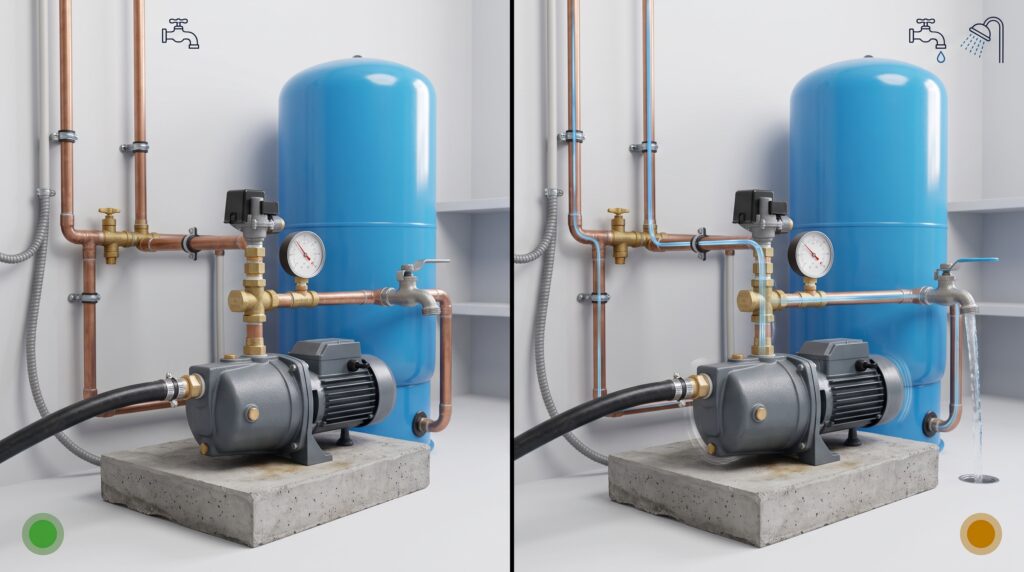
What Your Symptoms May Mean
Cannot reach cut-out pressure+water contains air
Check the Foot Valve, suction-pipe connections, pump prime, actual well-water level, and mechanical seal.
Reaches cut-out pressure+pressure drops during use
Check the filter, pipe restriction, pipe size, plumbing leaks, pump flow, and simultaneous water demand.
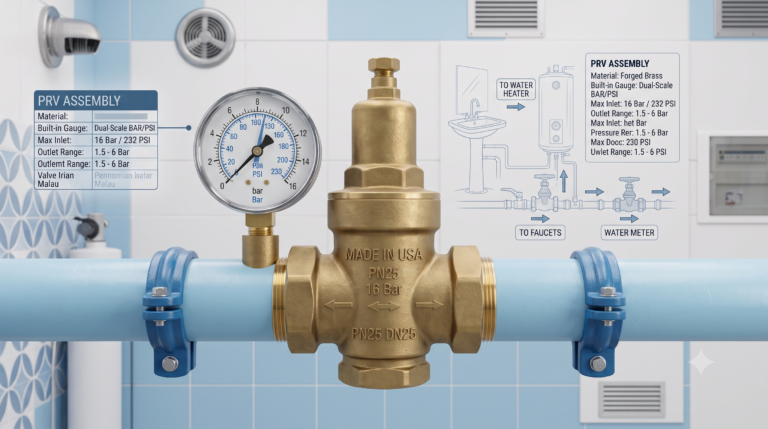
Pressure-gauge reading appears wrong+pump sounds normal
Check the pressure gauge, pressure-switch setting, pressure-sensing port, and small connecting pipe.
Only one fixture has low pressure
Check the Aerator, Shower Head, local valve, flexible hose, and local pipe before replacing pump equipment.
Common Causes of Low Well-Water Pressure
1. Low Well-Water Level or Insufficient Supply
A well may not supply water as quickly as the household is using it. The pumping water level can fall even when the total well depth has not changed.
A larger pump cannot create more water inside the well. It may increase the risk of drawing air, sand, or running dry.
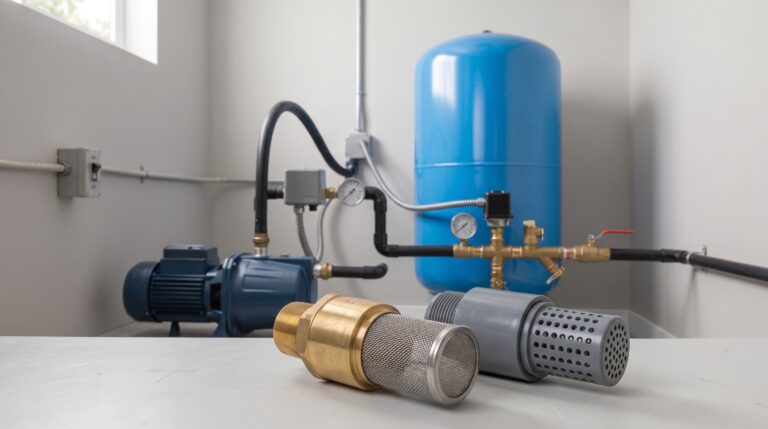
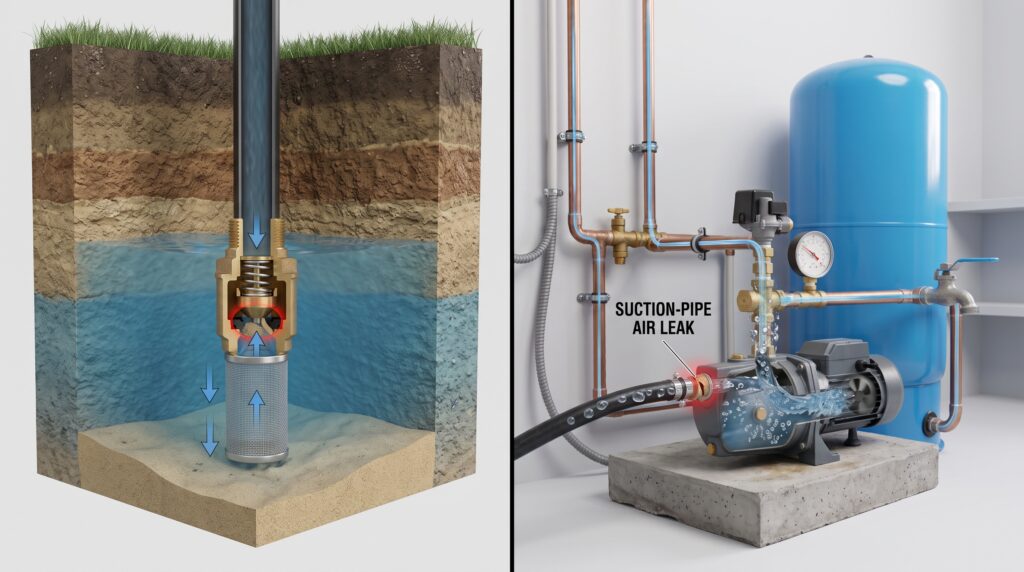
2. Foot Valve or Suction-Pipe Air Leak
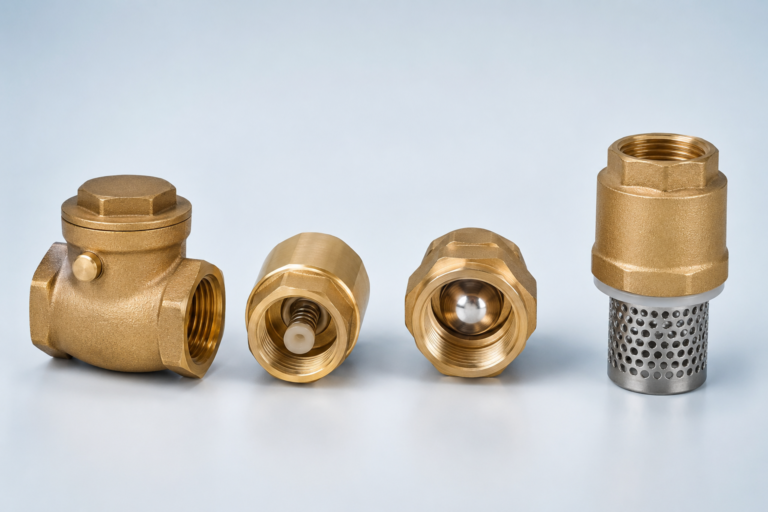
A Foot Valve that does not close properly allows water to drain back. A loose fitting, cracked pipe, or failed thread seal can allow air into the suction line.
Common symptoms include air in the water, unstable flow, repeated loss of prime, long pump runtime, and failure to reach cut-out pressure.
3. Worn or Blocked Pump Components
Sand, rust, and debris can block the nozzle, diffuser, or impeller. Long-term wear may reduce both flow and pressure.
If the water contains sand or the pump sounds different, stop testing before further damage occurs.
4. Clogged Filter, Pipe Restriction, or Leak
A dirty cartridge filter can reduce pressure throughout the house even when the pump is operating normally.
Old pipes, partially closed valves, small pipe sizes, damaged flexible hoses, and hidden plumbing leaks can also restrict available flow.
5. Pressure-Switch or Pressure-Tank Problem
A low pressure-switch setting, inaccurate pressure gauge, or blocked sensing port can affect system operation.
A pressure tank with incorrect precharge or a damaged bladder more commonly causes pressure fluctuation and frequent cycling than a pump that cannot build pressure.
6. Pump Flow or Head Is Insufficient
A pump may be too small, too worn, or the wrong type for the actual water level, building height, pipe size, and simultaneous demand.
Do not judge performance by horsepower alone. Compare the required flow in GPM and total head in feet with the pump’s performance curve.
Do Not Increase the Pressure Setting First
Changing a pressure switch from 30/50 PSI to 40/60 PSI does not repair a leaking suction pipe, damaged Foot Valve, clogged filter, worn impeller, or insufficient well supply.
Do not raise the pressure setting unless:
- The pump can reliably reach the new cut-out pressure.
- The pressure tank precharge is adjusted correctly.
- The pump, tank, pipes, valves, and hoses support the higher pressure.
- The system has been checked for leaks and flow restrictions.
For a standard pressure-tank system, Amtrol recommends setting the tank precharge 2 PSI below the pressure-switch cut-in setting. The pump must be switched off and the tank completely drained before measuring or adjusting precharge.
View Amtrol’s official well-tank pressure guidance →
Real Customer Experience
System:
Shallow well → Foot Valve and suction pipe → Jet Pump and pressure tank → Whole house
Symptoms:
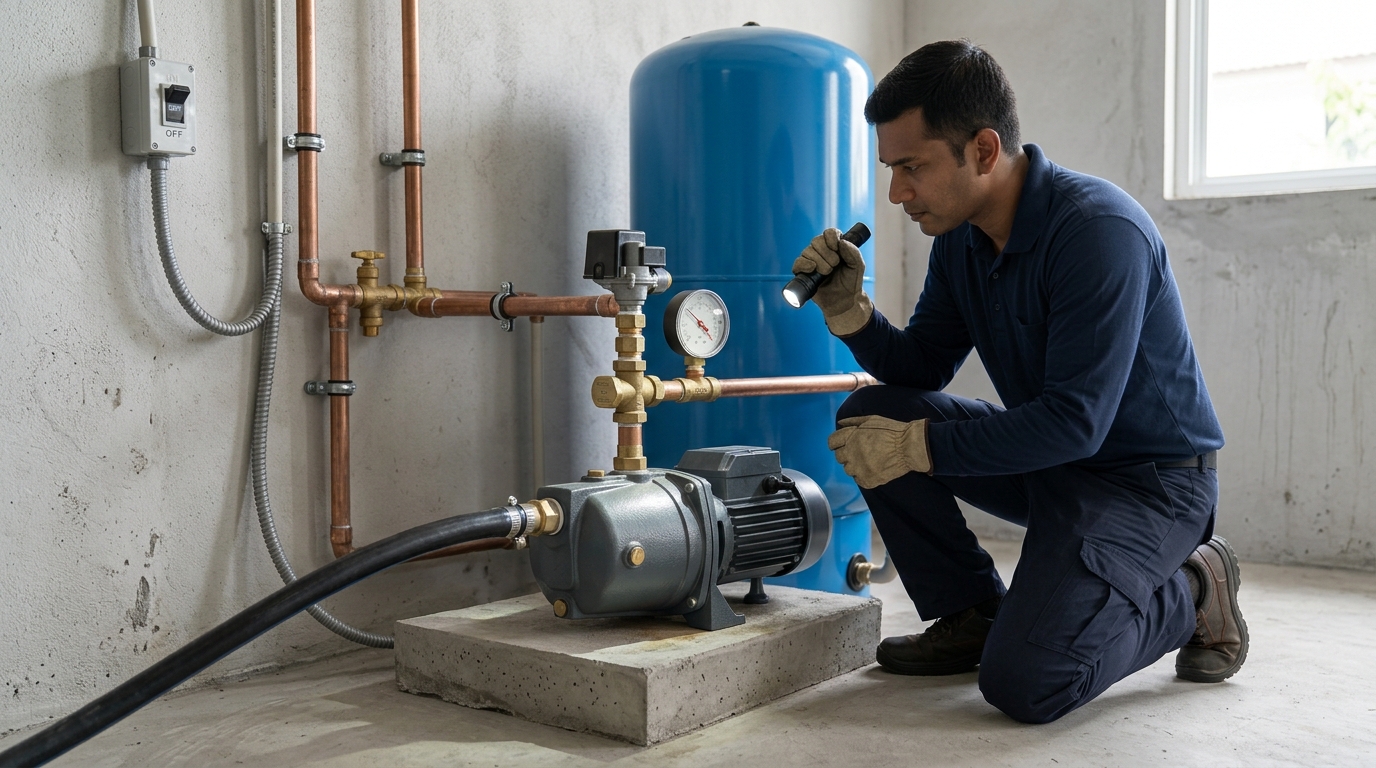
The whole house had low pressure, the water contained air, the Jet Pump ran for a long time, and the gauge could not reach the normal cut-out pressure.
Inspection:
The water inside the pump had drained away. Re-priming restored pressure briefly, but it fell again. A suction-pipe connection had failed, and the Foot Valve could not remain fully closed.
Repair:
The complete Foot Valve was replaced. Damaged suction pipe and fittings were replaced, all connections were resealed, and the Jet Pump was primed again.
Result:
The pump held prime, the air disappeared, pressure reached cut-out normally, and whole-house water pressure returned without replacing the Jet Pump.
Lesson from This Case
Replacing only the Foot Valve would not have repaired the leaking suction pipe. The complete suction system had to be checked before normal pressure could be restored.
Common Mistakes and Hidden Costs
Common Mistakes
- Buying a larger pump before diagnosing the system
- Not comparing static and dynamic pressure
- Ignoring a clogged filter or local restriction
- Not checking the Foot Valve and suction pipe
- Raising the pressure-switch setting immediately
- Using total well depth instead of pumping water level
Hidden Costs
- Mechanical-seal and impeller damage
- Pump overheating or motor failure
- Dry running when the well cannot supply enough water
- Pipe, valve, or flexible-hose leaks from excess pressure
- Buying the wrong replacement pump
- Repeated installation and repair costs
What Can a Homeowner Check?
Basic Checks
- Compare one fixture with the whole house
- Clean the Aerator or Shower Head
- Inspect or replace a clogged filter
- Read the pressure gauge
- Look for visible plumbing leaks
- Listen for abnormal pump noise
- Check whether the water contains air
Stop and Get Professional Help
- The pump cannot hold prime
- The pump runs continuously without reaching cut-out
- The pump overheats, smokes, or smells burned
- The suction pipe or Foot Valve must be removed
- The pump must be opened for seal or impeller inspection
- Electrical testing is required
- The water continuously contains sand
ToollQ’s Diagnostic Order
- Confirm whether one fixture or the whole house is affected.
- Compare static and dynamic pressure.
- Check cut-out pressure, pump runtime, and air in the water.
- Inspect the filter, visible plumbing leaks, Foot Valve, and suction pipe.
- Check the pressure tank, pressure switch, impeller, and pump performance.
- Replace the pump only after confirming serious wear, insufficient performance, or incorrect pump selection.
A larger pump cannot repair an air leak or create more water inside an insufficient well.
Frequently Asked Questions
Why is my well pressure suddenly low?
Common causes include a clogged filter, plumbing leak, suction-pipe air leak, damaged Foot Valve, falling well-water level, blocked pump components, incorrect pressure setting, or pump wear.
Why is my static pressure normal but pressure drops when water is used?
The system may have a clogged filter, restricted pipe, undersized pipe, insufficient pump flow, falling well-water level, or more simultaneous demand than the system can supply.
Can a bad Foot Valve cause low water pressure?
Yes. A leaking Foot Valve can allow water to drain back and cause the Jet Pump to lose prime. Air in the suction line can reduce flow, increase runtime, and prevent the pump from reaching cut-out pressure.
Should I change from 30/50 to 40/60 PSI?
Only if the pump can reliably reach 60 PSI and the pressure tank, plumbing, valves, hoses, and other equipment support the higher pressure. Raising the setting will not repair a damaged or restricted system.
Can a bad pressure tank cause low pressure?
Incorrect precharge or a damaged bladder can contribute to pressure fluctuation, rapid pressure loss, and pump cycling. If the pump cannot build pressure at all, also inspect the water source, suction system, and pump condition.
Will a larger pump fix low well-water pressure?
Not automatically. A larger pump will not repair air leaks, clogged filters, worn parts, restricted pipes, or insufficient well supply. Confirm the required flow, total head, and well capacity before replacing the pump.
Related Guides
Why Does My Jet Pump Keep Losing Prime?
Diagnose Foot Valve failure, suction-pipe leaks, priming problems, and falling water levels.
Best Foot Valve Buying Guide
Choose the right Foot Valve size, material, seal, spring, and strainer.
Best Well Pump Pressure Switch Buying Guide
Compare 30/50 and 40/60 PSI settings, electrical ratings, and failure signs.
Best Pressure Tank Buying Guide
Learn how pressure-tank size, drawdown, and precharge affect pump operation.
Explore All ToollQ Pump Guides
Browse pump buying, sizing, comparison, and troubleshooting information.
Final Recommendation
Do not replace a well pump based only on low pressure at a faucet.
First determine whether the problem affects one fixture or the whole house. Compare static and dynamic pressure, check whether the pump reaches cut-out, and observe pump runtime and air in the water.
Repair filters, leaks, Foot Valve problems, and suction-pipe faults before adjusting pressure settings or buying a larger pump.
ToollQ Final Advice
Low well-water pressure is a symptom, not a diagnosis. Find the restriction, leak, water-source problem, control issue, or pump-performance problem before spending money on replacement equipment.