SUS304 vs SUS201 Stainless Steel: What’s the Difference?
humid, outdoor, kitchen, and plumbing environments. SUS201 costs less and
can work well for dry indoor or decorative applications.
The product will regularly contact water, humidity, food, cleaning
chemicals, or outdoor air.
Lower cost matters most and the product will be used indoors in a
relatively dry, mild environment.
| Feature | SUS304 | SUS201 |
|---|---|---|
| Nickel content | Higher | Lower |
| Manganese content | Lower | Higher |
| Corrosion resistance | Generally better | More limited |
| Wet environments |
Better suited |
Needs more care |
| Cost | Higher | Lower |
| Typical use | Plumbing, kitchens, equipment | Indoor fixtures, trim, decorative items |
What Is the Main Difference?
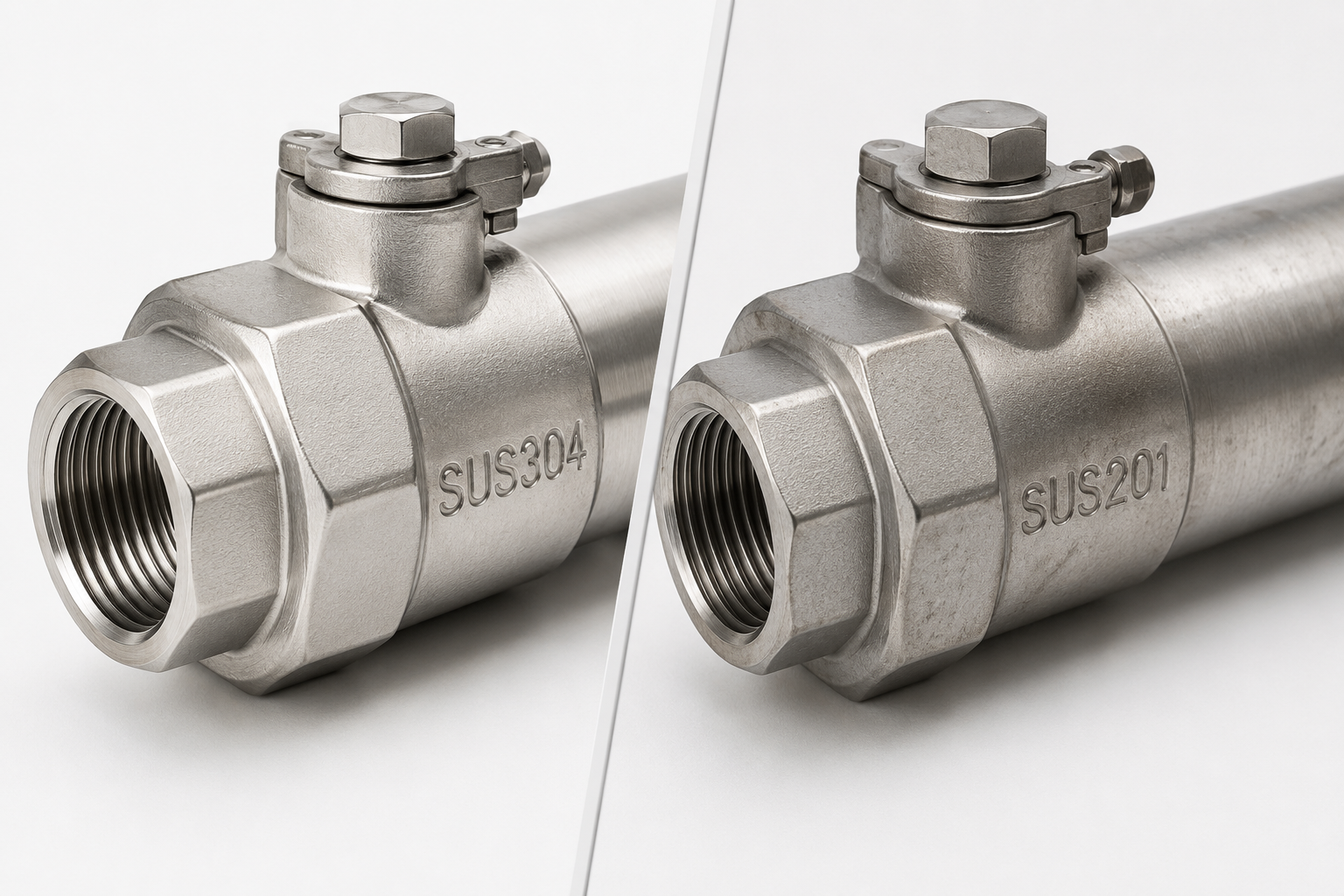
Both are austenitic stainless steels, but their alloy compositions differ.
SUS304 normally contains more nickel, while SUS201 replaces part of that
nickel with additional manganese and nitrogen.
This makes SUS201 more economical. However, SUS304 generally provides
stronger corrosion resistance and is usually the safer choice where
moisture exposure is frequent.

Corrosion and Rust Resistance
SUS304 usually performs better around water and humidity. SUS201 may develop
staining or surface corrosion sooner when exposed to moisture, salt, harsh
cleaners, or poor ventilation.
Salt, chlorides, chemical cleaners, damaged surfaces, and prolonged
moisture can still cause corrosion.

Which Grade Should You Choose?
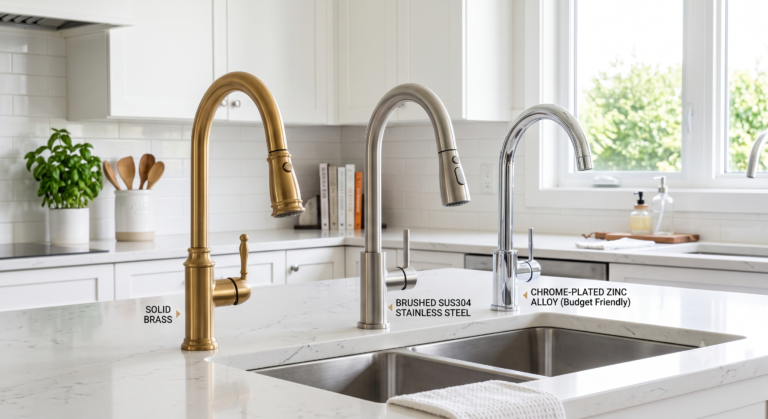
Kitchen and bathroom fixtures
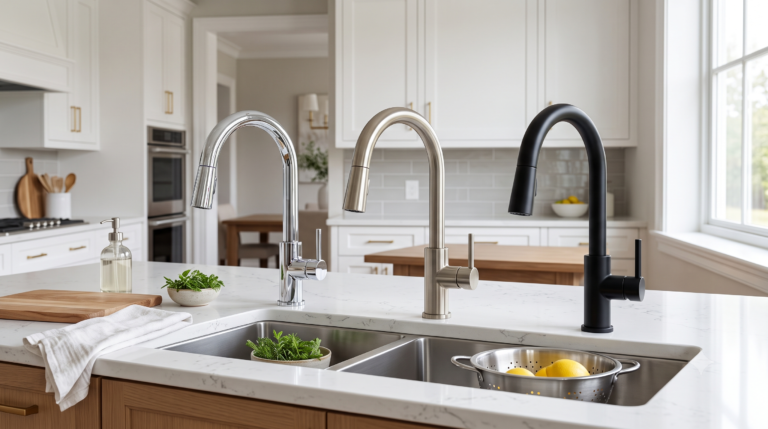
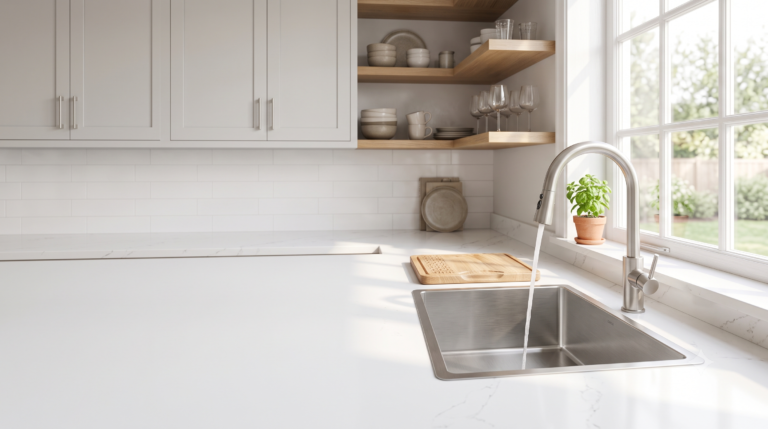
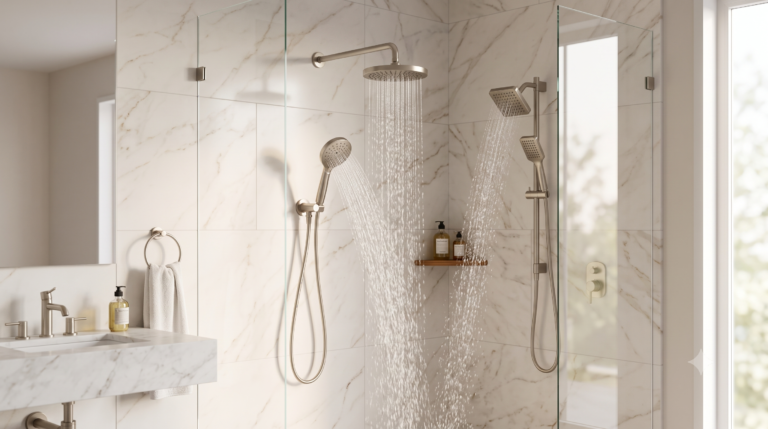
SUS304 is generally preferred because faucets, sinks, valves, and bathroom
fittings regularly encounter water and cleaning products.
Outdoor applications
Choose SUS304 for most outdoor uses. Coastal or highly corrosive
environments may require a more resistant grade such as 316.
Dry indoor applications
SUS201 can be a practical lower-cost option for furniture, decorative trim,
shelving, and other items with limited moisture exposure.
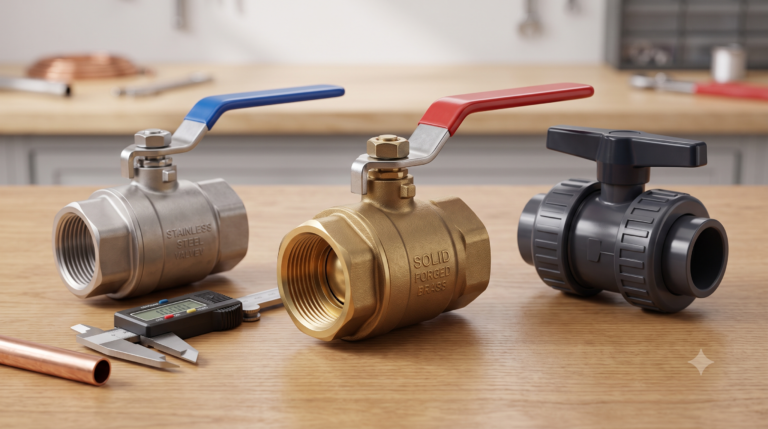
Plumbing and potable water
Do not select a product by stainless-steel grade alone. Confirm the
manufacturer’s specifications, applicable certifications, construction
quality, and local plumbing requirements.
Can You Identify 304 and 201 by Appearance?
Not reliably. Both grades can look polished and similar. A magnet test is
also inconclusive because manufacturing and cold working can affect
magnetic response.
For dependable verification, request a material certificate or use
professional material testing such as PMI or XRF analysis.

Final Verdict
For plumbing, kitchens, bathrooms, outdoor equipment, and other damp
locations, SUS304 is usually worth the higher price. SUS201 is best treated
as a budget option for dry indoor and light-duty applications.
The right choice depends on the environment—not price or appearance alone.
Frequently Asked Questions
Is SUS304 stronger than SUS201?
SUS201 can have high mechanical strength, but SUS304 generally offers the
better balance of corrosion resistance, durability, and formability.
Does SUS201 rust?
It can corrode or develop surface staining, especially in wet, salty, or
chemically aggressive environments.
Is SUS304 completely rust-proof?
No. It is highly corrosion resistant, but chlorides, harsh chemicals,
surface contamination, and standing moisture can still cause corrosion.
Which grade is better for faucets?
SUS304 is generally the safer option for faucet bodies and wet
environments, provided the complete product also meets relevant quality
and safety requirements.
Related ToollQ Guides
performance can vary by product quality, environment, fabrication, and
maintenance.