Best Gate Valve Buying Guide (2026): How to Choose the Right Gate Valve
What Is a Gate Valve?
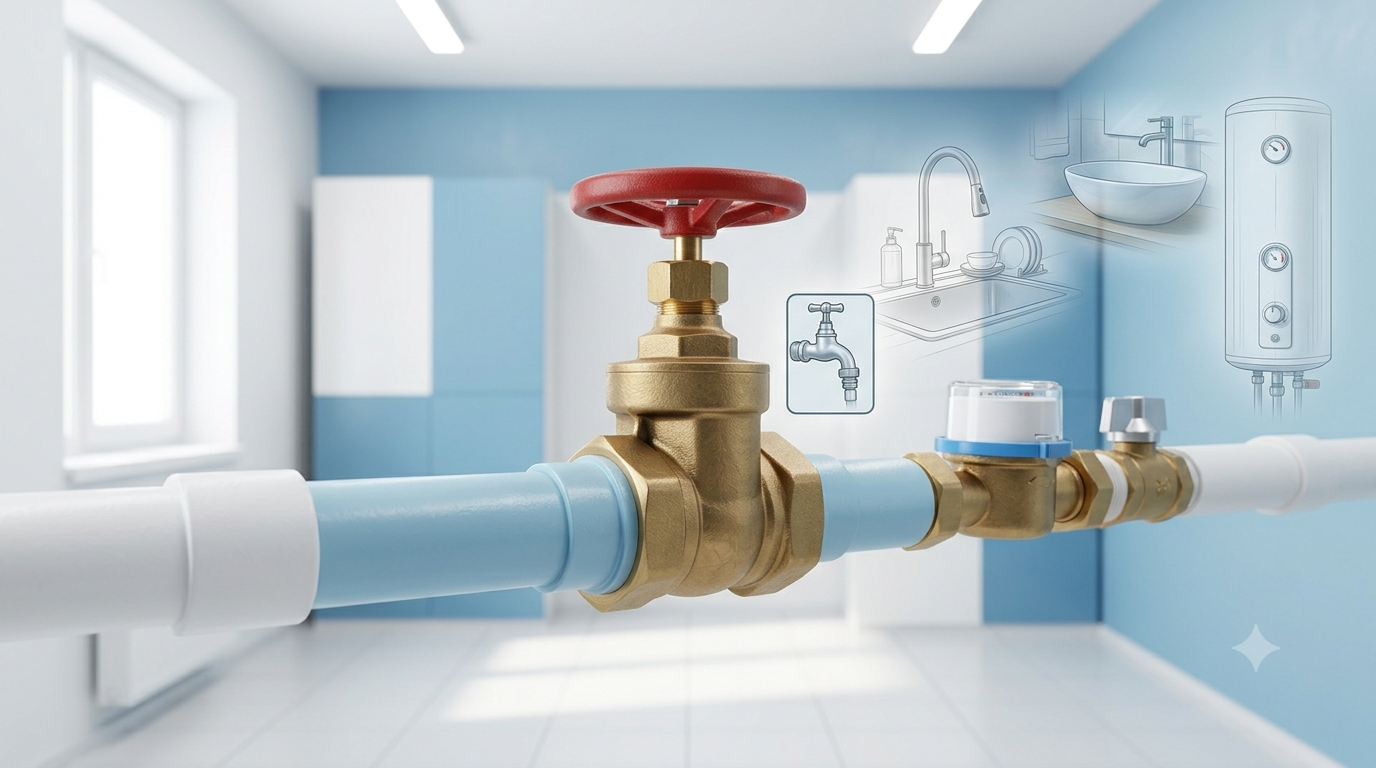
A gate valve is a shut-off valve designed to completely stop or allow water flow. It operates by raising or lowering an internal gate using a handwheel. Unlike ball valves, gate valves are not intended for regulating water flow and should normally be used only in the fully open or fully closed position.
Gate valves are commonly installed in residential plumbing systems, commercial buildings, irrigation networks, and industrial pipelines where full-flow performance is required.
Why Choosing the Right Gate Valve Matters
Choosing the correct gate valve improves the reliability and lifespan of your plumbing system.
The wrong valve can become difficult to operate, leak over time, or restrict water flow if it is not suitable for the application.
Before buying a gate valve, consider the installation location, pipe size, water pressure, operating frequency, and valve material.
ToollQ Expert Insight
Many homeowners think a gate valve and a ball valve perform the same function.
In reality, each valve is designed for different situations.
A gate valve is best used when full water flow with minimal pressure loss is required and the valve will remain open or closed for long periods.
Understanding where a gate valve performs best helps you choose the right valve while avoiding unnecessary maintenance and replacement costs.
Different Types of Gate Valves
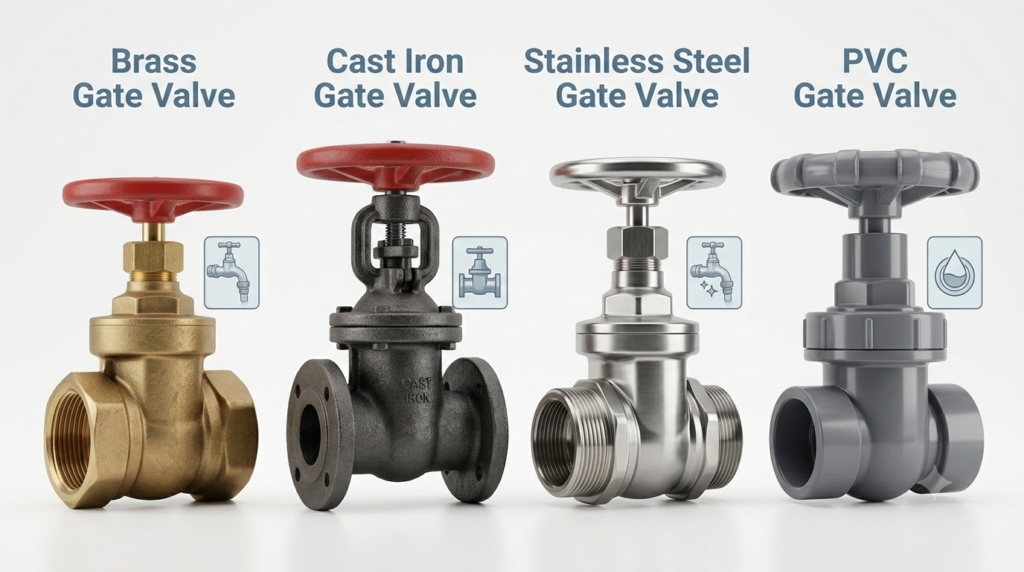
Gate valves are available in different materials and connection types. Choosing the right one depends on your plumbing system, water temperature, budget, and application.
Brass Gate Valve
Brass gate valves are the most popular choice for residential plumbing systems.
They provide excellent corrosion resistance, reliable sealing performance, and a long service life while remaining affordable. For most homeowners, a brass gate valve offers the best balance of durability and value.
ToollQ Expert Recommendation
For most residential plumbing systems, brass gate valves are the best overall choice because they deliver excellent performance without the high cost of stainless steel.
Cast Iron Gate Valve
Cast iron gate valves are commonly used in commercial buildings and industrial pipelines.
They are strong and suitable for larger pipe systems but are more prone to rust if not properly maintained. Regular inspection and maintenance help extend their service life.
Stainless Steel Gate Valve
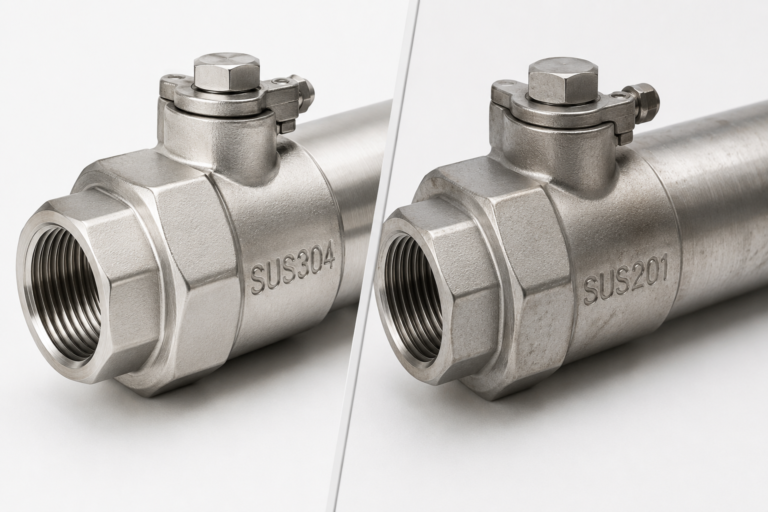
Stainless steel gate valves offer outstanding corrosion resistance and are suitable for harsh environments such as chemical plants, marine applications, and food processing.
However, they are significantly more expensive than brass gate valves and are usually unnecessary for standard residential plumbing systems.
PVC Gate Valve
PVC gate valves are lightweight and economical.
They are suitable for irrigation systems, swimming pools, and cold-water applications. However, they should not be used for hot water pipelines because high temperatures can soften or deform the PVC material.
Threaded vs Flanged Gate Valves
Choosing the correct connection type is just as important as choosing the right valve material.
Threaded Gate Valve
Threaded gate valves are commonly used in residential plumbing systems.
They are easy to install and are ideal for smaller pipe sizes.
Flanged Gate Valve
Flanged gate valves are mainly used in commercial and industrial piping systems.
They are designed for larger pipelines and are connected using bolts and flanges, providing a secure connection for high-flow applications.
ToollQ Expert Tip
One of the most common mistakes homeowners make is buying the wrong connection type.
Many people purchase a threaded gate valve when their plumbing system requires a flanged gate valve, or vice versa.
Before buying, always confirm:
- Pipe size
- Connection type (Threaded or Flanged)
- Water temperature
- Installation location
This simple check can prevent costly installation problems and unnecessary returns.
How to Choose the Right Gate Valve
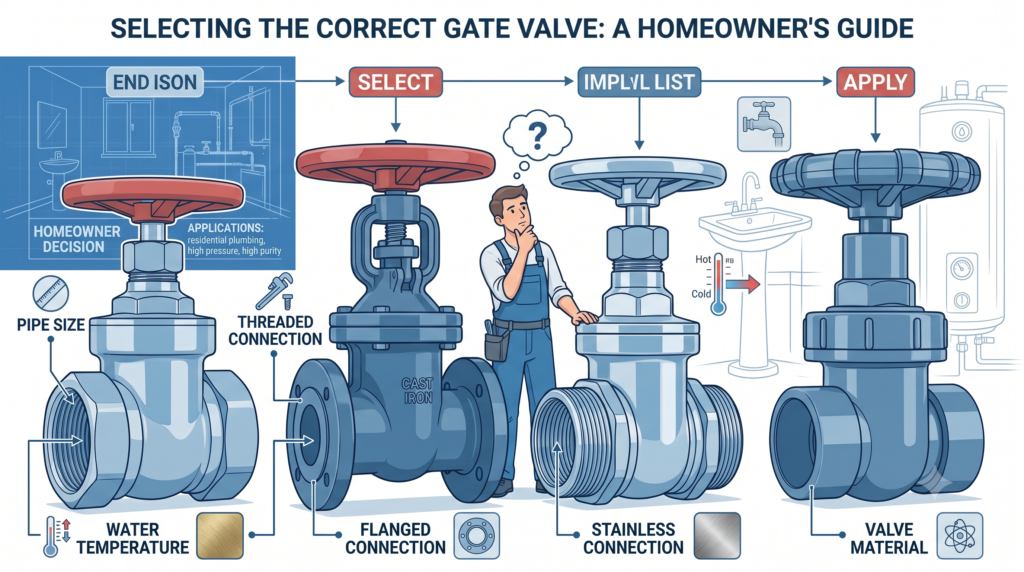
Choosing the right gate valve depends on more than just price. Consider the following factors before making a purchase.
1. Choose the Correct Valve Size
Always match the valve size to your existing pipe size.
Installing the wrong size can cause installation problems, water leaks, or reduced system performance. Before buying, measure the pipe or check the size marked on the existing valve.
2. Choose the Correct Connection Type
Gate valves are available with threaded and flanged connections.
Threaded gate valves are commonly used in residential plumbing, while flanged gate valves are mainly used in commercial and industrial piping systems.
Always make sure the connection type matches your existing piping.
3. Consider the Water Temperature
The operating temperature is an important factor when selecting a gate valve.
PVC gate valves are suitable for cold water applications but should not be used for hot water systems because high temperatures can weaken the material.
For hot water systems, brass gate valves are generally the better choice.
4. Choose the Right Material
Different materials are designed for different applications.
- Brass – Best overall choice for residential plumbing.
- Cast Iron – Suitable for large commercial systems but requires regular maintenance.
- Stainless Steel – Excellent corrosion resistance for demanding environments.
- PVC – Budget-friendly for cold water and irrigation systems.
5. Consider Your Budget
The most expensive valve is not always the best option.
For most homeowners, a brass gate valve provides the best balance of quality, durability, and affordability.
Choose stainless steel only when its superior corrosion resistance is actually required.
ToollQ Expert Recommendation
Based on years of plumbing hardware experience:
🏆 Best Overall: Brass Gate Valve
🏭 Best for Industrial Applications: Stainless Steel Gate Valve
🌱 Best Budget Option: PVC Gate Valve (Cold Water Only)
🏢 Best for Large Commercial Pipelines: Cast Iron Gate Valve
Common Mistakes When Buying a Gate Valve
Buying the wrong gate valve can lead to installation problems, poor performance, unnecessary maintenance, and extra costs. Here are the most common mistakes homeowners make.
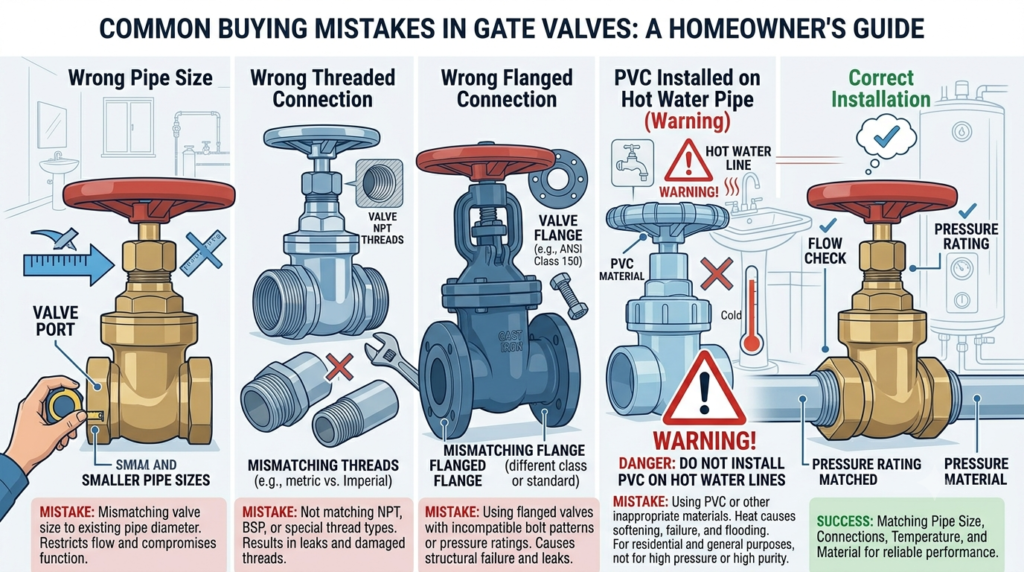
Buying the Wrong Valve Size
One of the most common mistakes is purchasing the wrong valve size.
Always check the pipe size or the markings on the existing valve before buying a replacement. Installing the wrong size may result in leaks or require additional fittings.
Choosing the Wrong Connection Type
Many buyers accidentally purchase a threaded gate valve when their plumbing system requires a flanged gate valve, or vice versa.
Always verify the connection type before making a purchase to avoid installation problems.
Using a PVC Gate Valve for Hot Water
PVC gate valves are designed for cold water applications.
Installing them on hot water pipelines can cause the valve body to soften, deform, or fail over time. For hot water systems, brass gate valves are a much safer and more reliable choice.
Buying Stainless Steel Without Needing It
Many homeowners assume stainless steel is always the best option.
In reality, for most residential plumbing systems, a brass gate valve provides excellent durability and corrosion resistance at a much lower cost.
Choose stainless steel only when the application requires superior corrosion resistance.
Maintenance Tips
Proper maintenance helps extend the lifespan of a gate valve and ensures smooth operation.
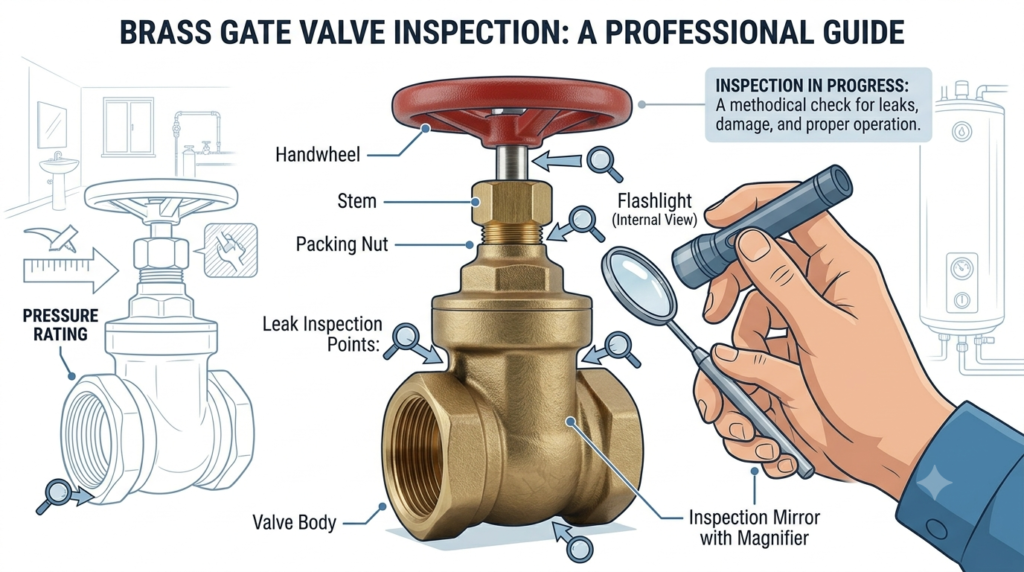
Operate the Valve Periodically
If a gate valve remains in the same position for many years, internal components may become stiff or difficult to operate.
Opening and closing the valve occasionally helps keep it functioning smoothly.
Inspect for Leaks and Corrosion
Regularly inspect the valve body, stem, and connection points for signs of leakage, rust, or corrosion.
Replacing worn packing or seals early can prevent larger plumbing problems later.
ToollQ Expert Tip
Many gate valves are replaced simply because they become difficult to turn.
In many cases, regular operation and routine maintenance can significantly extend the valve’s service life and delay the need for replacement.
Conclusion
Choosing the right gate valve is not simply about selecting the most expensive product. The best choice depends on your plumbing system, pipe size, connection type, water temperature, and application.
For most residential plumbing systems, a brass gate valve offers the best combination of durability, corrosion resistance, and value. Commercial and industrial systems may require cast iron or stainless steel gate valves, while PVC gate valves remain a practical option for cold-water and irrigation applications.
Before purchasing, always verify the valve size, connection type, and operating conditions. Choosing the correct gate valve from the beginning helps prevent installation problems, reduces maintenance costs, and ensures reliable long-term performance.
Frequently Asked Questions (FAQ)
What is the best gate valve for residential plumbing?
For most homes, a brass gate valve is the best choice because it provides excellent durability, corrosion resistance, and value for money.
Can a gate valve regulate water flow?
No. Gate valves are designed to be either fully open or fully closed. Using them to regulate water flow can damage the internal gate over time.
Is a brass gate valve better than PVC?
For hot water and long-term durability, yes. PVC gate valves are suitable for cold-water systems and irrigation but should not be used on hot water pipelines.
What is the difference between threaded and flanged gate valves?
Threaded gate valves are commonly used in residential plumbing, while flanged gate valves are designed for larger commercial and industrial piping systems.
Why is my gate valve difficult to turn?
A gate valve that has not been operated for a long time may become stiff. Regular operation and routine maintenance can help keep the valve functioning smoothly.
Want to compare gate valves with another common shut-off valve?
👉 Read our Gate Valve vs Ball Valve: Which Is Better for Residential Plumbing? to understand the differences and choose the right valve for your plumbing system.
For additional information about plumbing products and water efficiency, visit the EPA WaterSense website.